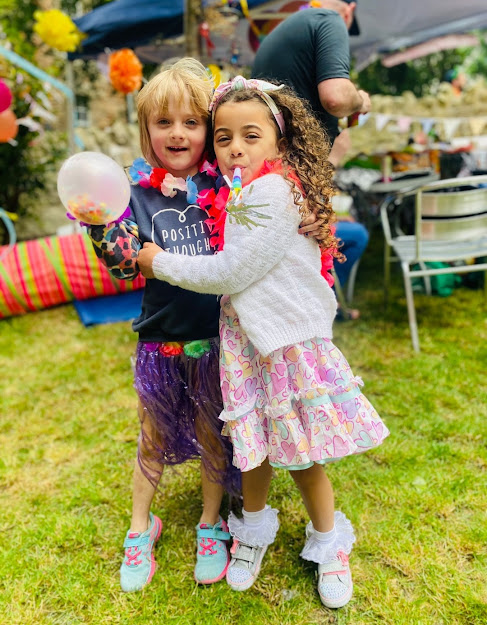
Beyond the academic milestones, the preschool years mark a crucial period for developing basic social skills that form the foundation of lifelong connections. It’s important to guide your child through these early experiences of making friends, as doing so can enrich their current social interactions and set the stage for building meaningful relationships later in life.
Below are some tangible ways to actively support your preschooler as they develop vital social skills that go beyond the classroom and contribute to their holistic development.
Share and Take Turns
Teaching your preschoolers the art of sharing and taking turns is fundamental in helping them make friends at school. Let’s say your child attends Kinderland in Singapore and benefits from the preschool’s music-infused programme. In such a scenario, you can encourage your toddler to practice taking turns when playing instruments in the classroom. Explain that sharing creates a positive environment in Kinderland where everyone feels included. To communicate this concept effectively, use simple language and relatable examples. You might say, “When we take turns using the drums in the classroom, everyone gets a chance to play. That makes everyone happy!” If your child particularly enjoys learning a new language through Kinderland’s Chinese-integrated curriculum, you can encourage them to take turns practicing new words, phrases, or sentences with their friends.
Highlight the importance of sharing through positive reinforcement, such as by praising your child when they successfully share or take turns. By instilling this habit early on, your preschooler learns the value of cooperation and sets the groundwork for positive social interactions.
Use Friendly Language
Equipping your preschooler with friendly language helps them initiate conversations with their peers. Teach them basic greetings like “Hello” or “Hi, my name is…” in the languages that they know, and encourage them to approach others with a smile. Practice these phrases together at home to boost their confidence. Also, reinforces the idea that using friendly language makes meeting new friends easier. A simple, “Why don’t you say hello and ask if they want to play with you?” provides a gentle nudge. Use role-playing scenarios to make the learning experience enjoyable. This skill not only aids in forming connections but also builds your child’s self-esteem as they navigate social interactions positively.
Practice Good Manners
Good manners lay the foundation for positive social interactions in and out of school. Teach your preschooler the magic words—”please” and “thank you”—and encourage them to use these phrases in their daily interactions. Explain that saying “please” when requesting something and “thank you” when receiving help or a toy shows respect and makes others feel appreciated. Use scenarios your child can relate to, like sharing snacks or playing games, to emphasise the importance of good manners. Through this, your preschooler learns that politeness is a key ingredient in creating a friendly and welcoming atmosphere at school.
Listen Actively
Active listening is a skill that goes a long way in building strong friendships. You can help your preschoolers adopt this habit by encouraging them to pay attention when others are speaking and by advising them to respond thoughtfully. To convey this concept effectively, use relatable scenarios such as listening to a friend’s story or paying attention during circle time. Say, “When your friend talks, it’s important to listen so you can understand them better. Show that you’re listening by nodding or responding with kind words.” Practice active listening at home as well to get your preschool used to the idea that everyone’s thoughts and feelings are valuable. This not only fosters empathy but also lays the groundwork for effective communication.
Be Inclusive
Teaching your preschoolers the importance of including others in their play and activities is another way of helping them make friends. Inclusive actions not only foster a sense of belonging but also set the stage for positive social interactions. Use phrases like “Let’s play together” or “Would you like to join us?” to encourage inclusivity. You can model this behaviour during playdates or outings as a way of demonstrating how to welcome others into a group. This will help you reinforce the idea that including everyone promotes a friendly and supportive environment.
Express Emotions
Helping your toddler build friendships also necessitates making them more aware of their emotions. Teach them to use language and visual cues to communicate how they feel, whether happy, sad, or excited. Say, “If you’re happy, you can say, ‘I’m happy!'” You can also help them become more familiar with their own emotions and those of others by sharing stories or using toys to represent different feelings. Encourage them to express empathy as well when others are upset. By expressing emotions appropriately, your preschooler will be able to navigate social situations with a deeper understanding of themselves and their peers.
Be Patient
Patience is an essential component in forming meaningful connections. Let your preschooler know that getting to know others takes time and that it’s okay to gradually build friendships. Use relatable examples like growing a plant or baking cookies to illustrate the concept of waiting for positive outcomes. Say, “Just like how we wait for flowers to bloom, making friends takes time. Be patient, and soon you’ll have friends to play with.” Follow this up by acknowledging their efforts in building relationships and reminding them that everyone adjusts to new friendships at their own pace.
Establish Boundaries
Setting boundaries is crucial for healthy social interactions, even for preschoolers. Help your young learner understand the concept of personal space and respecting others’ boundaries. Use phrases like “Give your friend some space” or “Ask before borrowing their toys.” You can also role-play scenarios at home to demonstrate how to express the need for personal space politely. By instilling this understanding early on, your preschooler learns the importance of mutual respect and lays the groundwork for positive relationships.
By following these tips and setting an example through your actions, you can help your preschoolers acquire immediately beneficial social skills that they can apply in the classroom. At the same time, learning how to make friends at an early age will enable your child to build meaningful relationships that can last beyond their formative years.

Leave a Reply